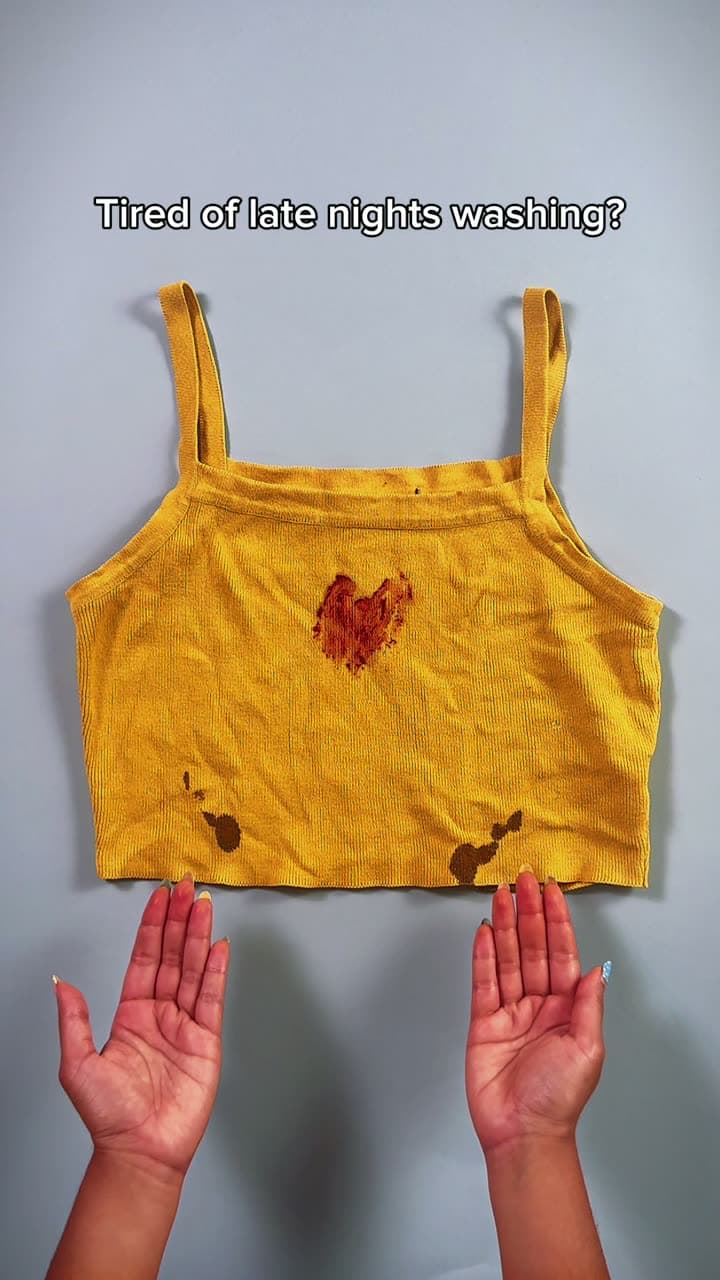
Sports Kit Stain Remover — Grass, Sweat, Mud & Blood
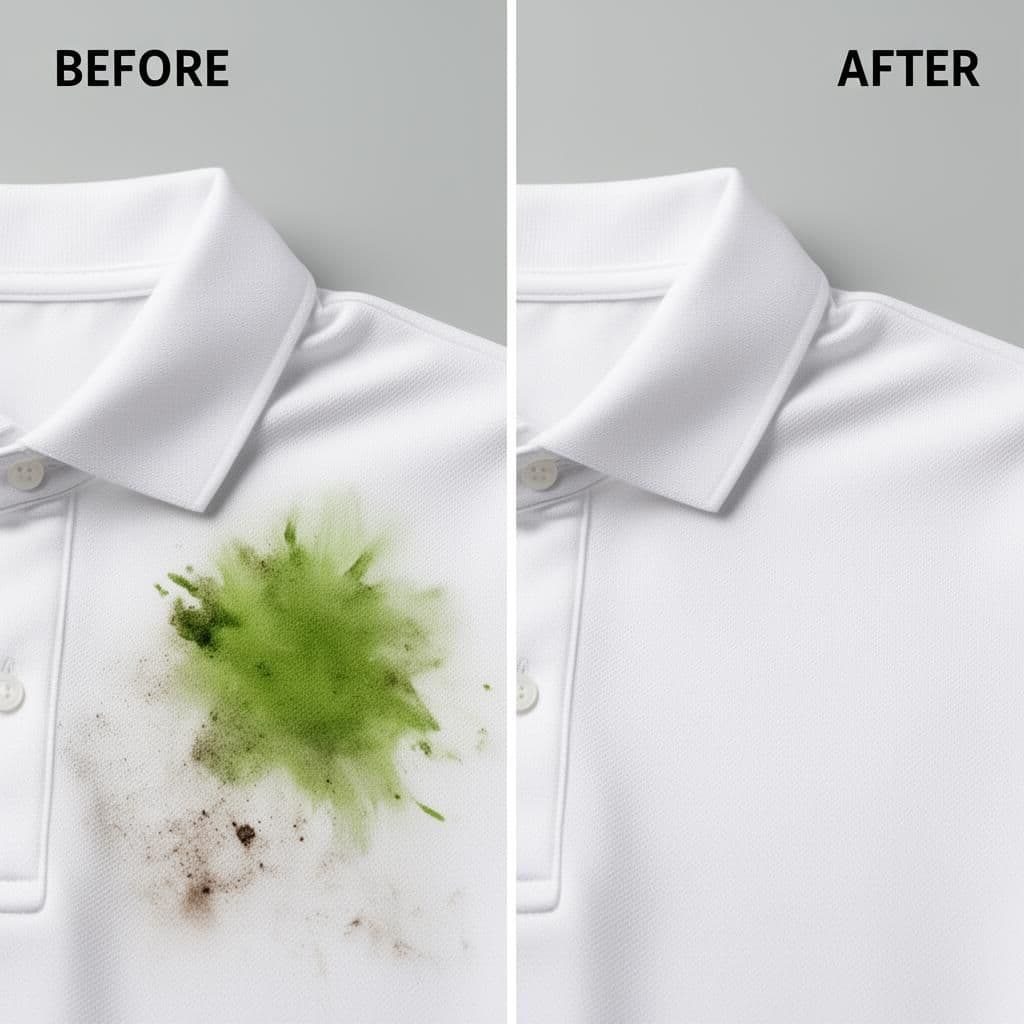
Sports kits face every problem stain in a single wash: grass pigment from a slide tackle, ground-in mud from the touchline, blood from a knock, deodorant and sweat across the chest panel and energy-drink splashes down the front. Standard detergent handles the surface layer and leaves a permanent grey-green shadow on white football shirts and cricket whites. Luniva's multi-enzyme spray attacks all five stain families in one application — protease for blood and sweat, lipase for body oils and chain lubricant, amylase for energy-drink starches and a surfactant load that lifts mud and grass pigment in 1–3 minutes. This guide is built around football shirts, rugby tops, cricket whites, gym leggings, cycling jerseys and kids' PE kits.
Shop Luniva — £12.49 · View Enzyme Powered · Stain removal guides
Why sports kits are the toughest laundry load in the house
A single match-day kit has at least four stain chemistries on it — protein (blood, sweat), oil (sebum, sun cream), pigment (grass, mud) and starch (sports drinks, gels). A normal biological detergent has the enzymes for one or two of those, but the dwell-time in a 30-minute wash isn't long enough to break all four. The result is the classic grey-green shadow that builds up across a season. Pre-treating with Luniva before the wash gives every enzyme family 1–3 minutes to do its job before the cycle dilutes them.
How to use Luniva on sports kit & gym wear
- Step 1 — Air the kit and brush off dry mud: Let mud dry, then brush off the loose soil. For wet kit, hang it for 10 minutes — never throw wet mud straight into the machine.
- Step 2 — Spray Luniva across every stain zone: Hit collar, cuffs, chest, knees and any visible mark. Saturate fully. Leave for 3 minutes — 5 for set-in marks after a previous wash.
- Step 3 — Wash at 40°C and air-dry first: Machine-wash as normal. Inspect before tumble-drying — heat sets any residual grass or blood pigment permanently.
Compliance note: Based on controlled laboratory testing. Performance may vary by stain age, fabric type and wash conditions.
Related stain guides
Frequently asked questions
Will Luniva remove grass stains from white football shirts?
Yes. Spray the grass-stained panels, leave for 3–5 minutes and wash at 40°C. The chlorophyll pigment lifts in one cycle if treated within 24 hours of the match. For set-in grass after a previous wash, re-treat for 10 minutes before the next cycle.
Does it work on blood stains on cricket whites?
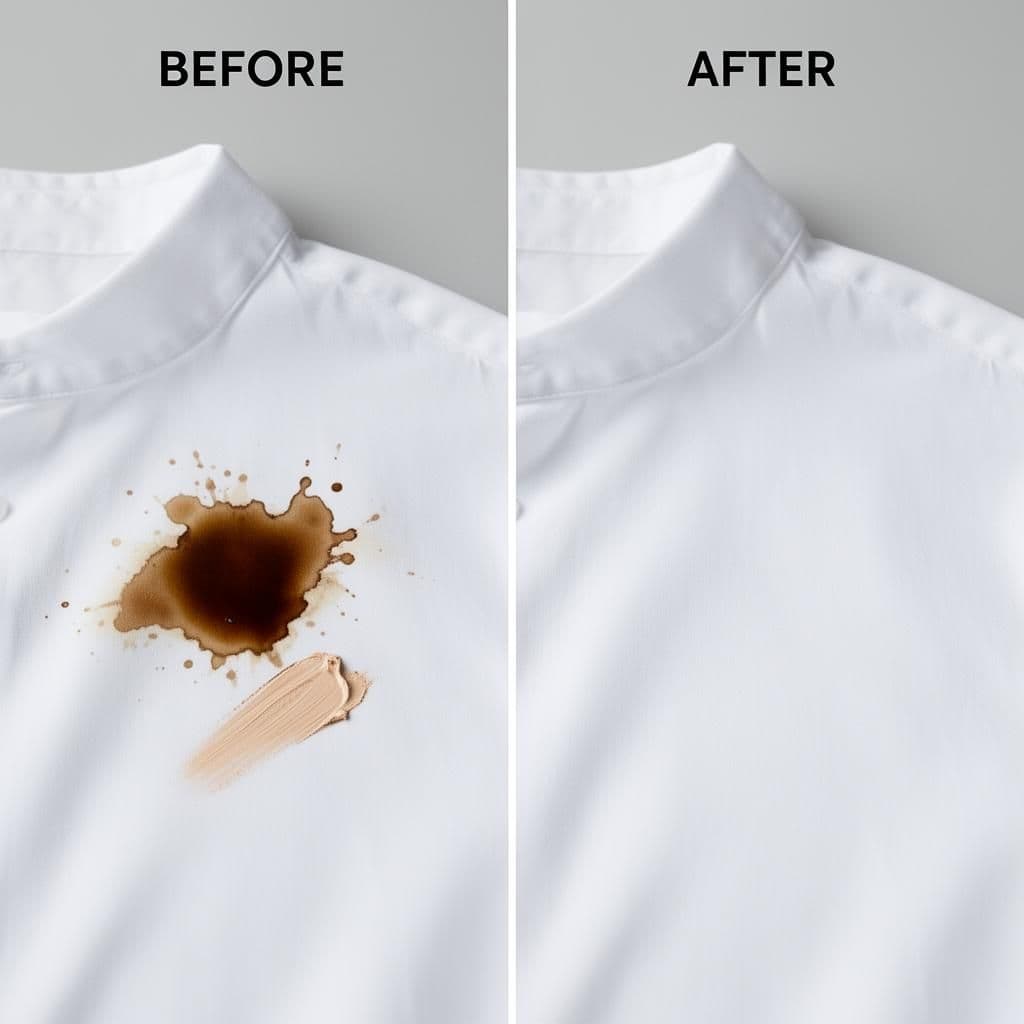
Yes. Rinse the blood-stained area under cold water first (never hot — heat sets blood proteins), spray Luniva, leave 5–10 minutes and wash at 40°C maximum. Air-dry first to inspect before any tumble-dry.
Is Luniva safe on sublimation-printed team kits and shirt numbers?
Yes for standard sublimation prints — the dye is bonded into the fibre itself, so the spray can't lift it. Spot-test on a hidden seam first for holographic logos, silicone grippers and heat-pressed badges, and avoid spraying directly onto those areas.
Will it lift the sweat smell as well as the stain on gym kit?
Yes. Most gym-kit odour comes from bacteria feeding on sebum trapped in the weave. The protease and lipase active enzymes break down both the sebum and the bacterial waste, so the kit comes out the wash smelling neutral. Air-dry to lock that in.
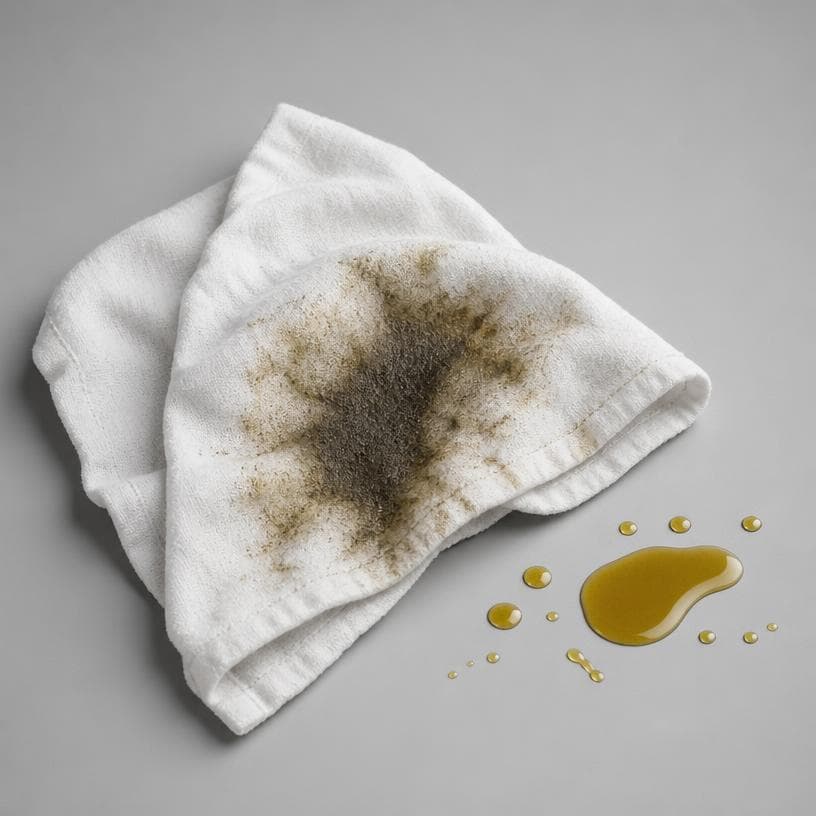
Can I use it on cycling jerseys with chain-lube and tar marks?
For light chain-lube splashes, yes — spray, wait 5 minutes and wash at 40°C. For heavy tar or grease from a chainstay knock, use Luniva Pro Formula (blue, solvent-action) instead — it's the right chemistry for petroleum-based stains.