How to Get Blood Out of Sheets (Fresh & Dried)
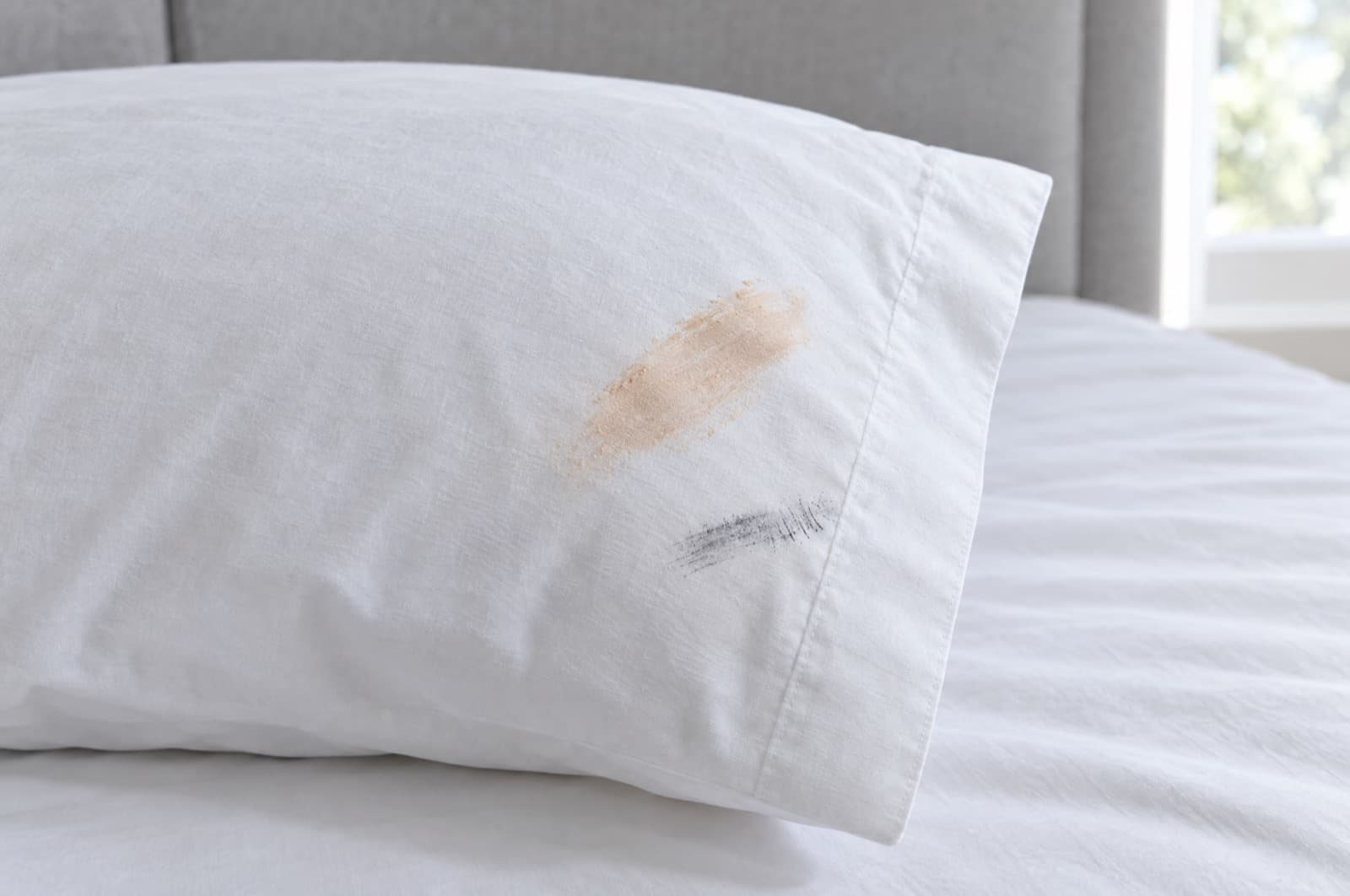
Blood on bedding is the single most common reason people throw out otherwise perfect sheets — and it's almost always avoidable. The mistake is washing hot: any temperature above 40°C cooks the haemoglobin proteins into the cotton weave and bonds them for life. The fix is a strict cold-first sequence: cold tap from behind the stain to flush as much liquid blood as possible, a protease-rich active enzyme spray (Luniva Enzyme Powered) to digest the bonded protein, then a low-temperature wash. This page is the bedding-specific playbook — period stains, nosebleeds, small cuts and toddler accidents on cotton sheets, percale, linen, satin pillowcases and quilted mattress protectors.
Shop Luniva — £12.49 · View Enzyme Powered · Stain removal guides
Why blood sets permanently in sheets and pillowcases
Sheets are usually 100% cotton or cotton blends — the same dense protein-binding fibre that holds blood proteins most aggressively once heat is applied. A 60°C wash, an iron, or an overnight pillowcase under body heat is enough to denature haemoglobin and albumin and chemically bond them to the fabric. That's the brown shadow you see after the second wash. The route around it is enzymatic: protease in Luniva breaks the protein bonds before they can set, so the wash carries the stain away instead of fixing it.
How to use Luniva on blood on sheets
- Step 1 — Strip the bed immediately: Pull the sheet or pillowcase off as soon as you notice the stain. Body heat under the duvet is enough to start setting it.
- Step 2 — Cold-water rinse from the back: Hold the stained area face-down under a cold tap so water pushes blood out of the weave, not deeper in. Never use warm or hot water.
- Step 3 — Spray Luniva: Saturate the stain with Luniva Enzyme Powered. For dried blood, gently work the formula in and leave 5–10 minutes.
- Step 4 — Wash at 30–40°C max: Run a normal cotton cycle at 40°C or below. Air-dry and inspect before tumble-drying — heat permanently sets any residue.
Compliance note: Based on controlled laboratory testing. Performance may vary by stain age, fabric type and wash conditions.
Related stain guides
Frequently asked questions
How do you get blood out of sheets that have dried?
Saturate the dried stain with Luniva Enzyme Powered, gently work the formula into the weave with your fingers, and leave for 10–15 minutes. Wash the sheet at 30–40°C and air-dry. The protease active enzymes digest the bonded protein so it lifts with the wash. Repeat the spray once more before drying if a faint shadow remains — and never tumble-dry between passes.
What temperature should I wash blood-stained sheets at?
30–40°C maximum. Hot water cooks haemoglobin and albumin into cotton fibres and bonds the stain permanently. Cold-water rinses before treatment are ideal; the actual wash cycle can be a normal 40°C cotton programme.
How do you get period blood out of bed sheets fast?
Strip the sheet immediately, hold the stained area face-down under a cold tap, then spray Luniva, leave for 5–10 minutes and wash at 30–40°C. Acting in the first hour gives you a near-perfect lift even on white cotton.
Does Luniva remove blood from white sheets without bleach?
Yes. Luniva Enzyme Powered is bleach-free and colour-safe. On whites, leave the spray on for 5–10 minutes for stronger lifting power, then wash at 40°C. The active enzymes target the protein, not the fabric, so whites stay bright without fibre damage or yellowing.
How do I get blood out of a mattress or mattress protector?
Blot — don't rub — with a clean cloth and cold water to lift surface blood. Spray Luniva directly on the stain, wait 10 minutes, then blot with a clean damp cloth, working from the outside of the stain in. Repeat once or twice for set-in marks. For removable quilted protectors, finish with a 40°C wash.
Will Luniva work on silk and satin pillowcases?
Yes, with a small precaution. Spot-test on a hidden seam first, then apply, wait 3 minutes, and hand-wash in cool water. Avoid soaking or aggressive wringing — silk fibres can distort when wet.
Why has my sheet got a brown shadow after washing?
That shadow is denatured blood protein that has been set into the fibre by heat — usually from a hot wash, the tumble dryer or an iron pass. It is not always permanent: saturate with Luniva, leave 15 minutes, wash at 30°C and air-dry. A second pass clears most heat-set marks; truly fixed stains may need a third.
Can I use Luniva on baby and toddler bedding?
Yes. Luniva is bleach-free, dermatologically friendly when properly rinsed by a normal wash cycle, and safe on cot sheets, sleep bags and muslins. Treat the stain, run a standard 40°C cotton wash with your usual detergent, and air-dry.