Work out what it was
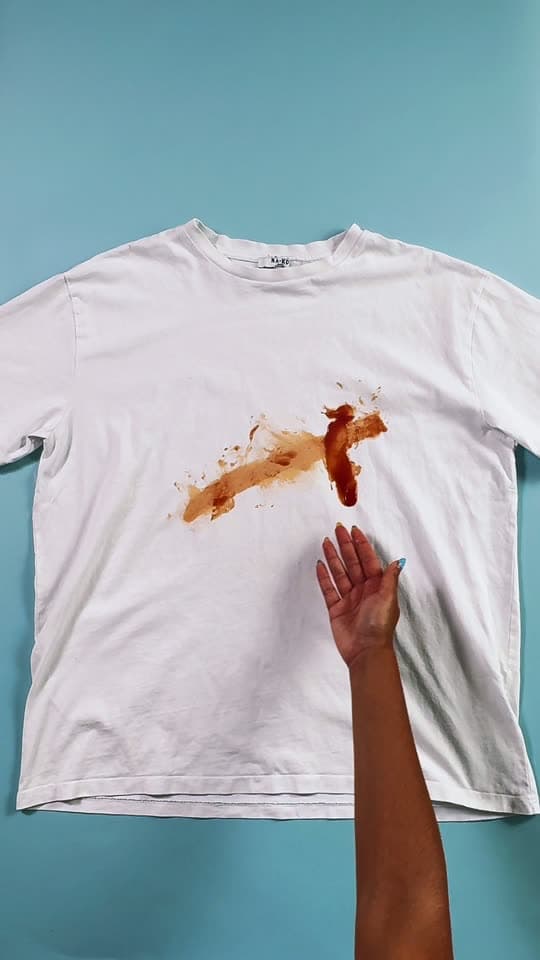
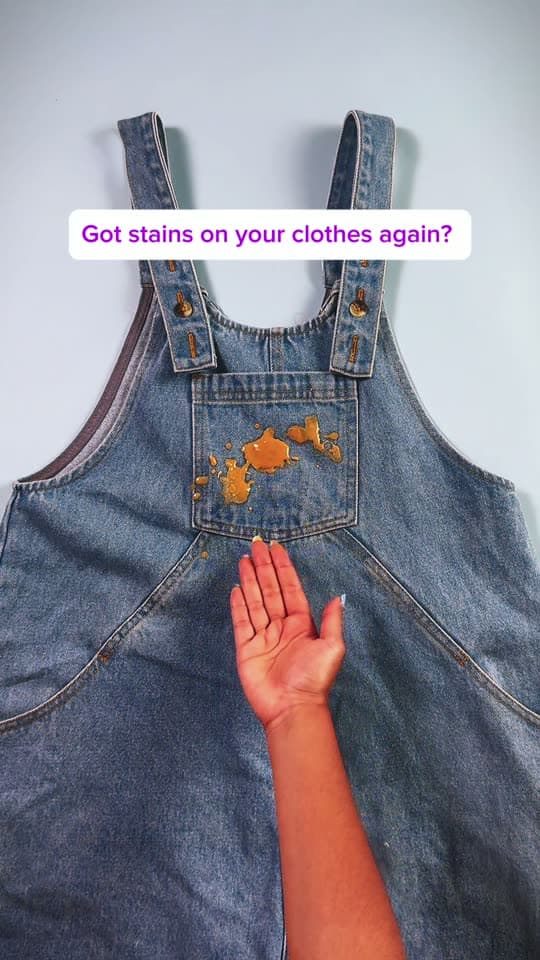
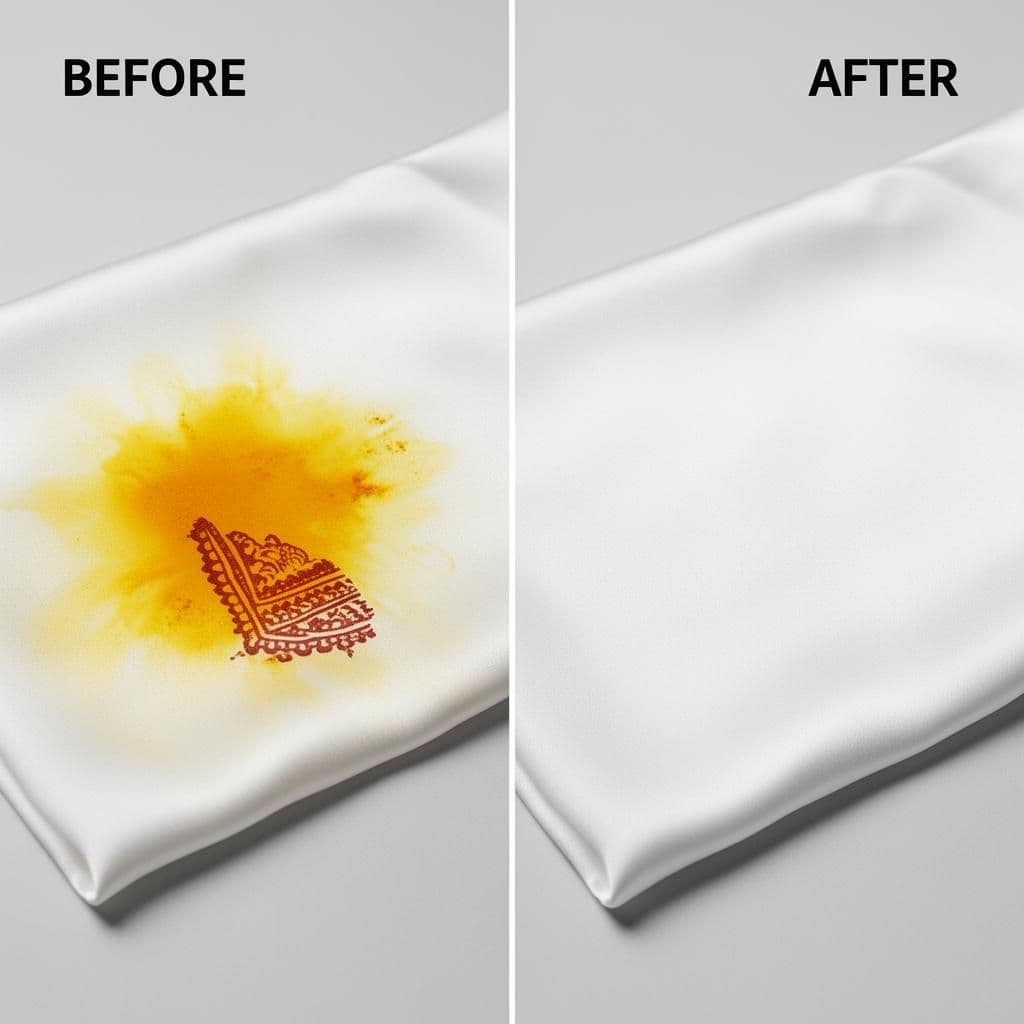
Yellow, brown or stiff patches
Usually food, drink, sweat or blood. Use Enzyme Powered.
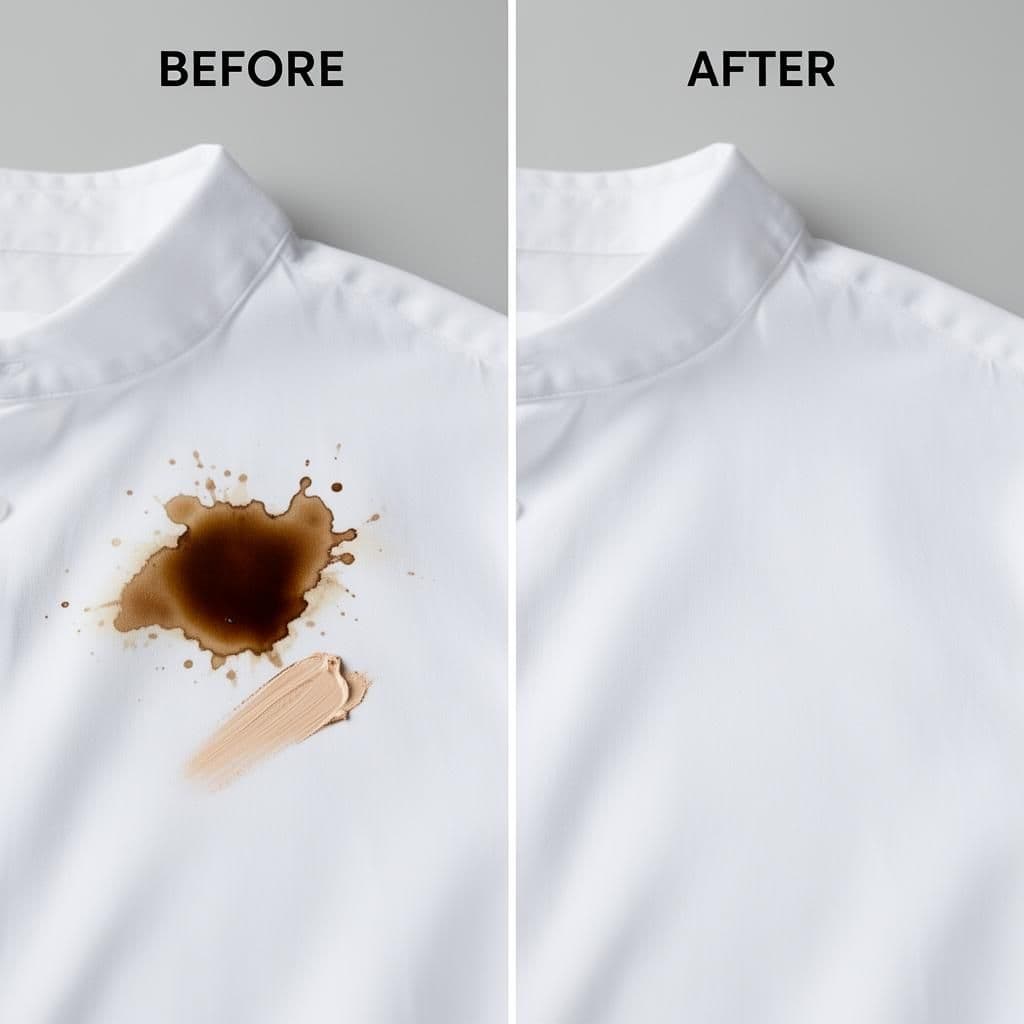
See Enzyme PoweredDarker, see-through or ring-shaped marks
Usually oil, grease, body oils or makeup. Use Pro Formula.
See Pro FormulaNot sure?
Think about where it is: food on the front of a top, grime on a collar, sweat under the arms.
The method for old stains
- 1Saturate the stainSpray the matching bottle until the stain is wet through. Don't rub.
- 2Wait the full 1–3 minutesGive it the full time. Don't let it dry on the fabric.
- 3Wash, then checkWash as normal, following the care label. Air-dry and look at the stain in daylight.
- 4Repeat if neededIf the mark is lighter but still there, treat and wash it again. A second pass works better than leaving the spray on longer.
Why heat matters
Heat from a dryer or iron fixes stain residue into the fibres, which is why set-in stains are so stubborn. Until you're sure a stain has gone, air-dry the garment and don't iron over the mark.
Top tips
- Look at the stain in daylight after washing. It's easy to miss a faint mark under indoor lights.
- On delicate or valuable clothes, test on a hidden area first and follow the care label.
- Treat one stain with one bottle. Don't layer both formulas on the same spot.
Questions
No. Dried-in marks often need a second pass. Re-spray, leave for the full 1–3 minutes and wash again rather than extending the working time on a single application.
Heat sets stains, which makes them harder to shift. Treat it with the matching bottle and wash again; stubborn marks may need more than one round.