Stain advice
Step-by-step guides for the stains that won't budge, and advice for the clothes they land on. Every guide tells you which Luniva product to use and exactly how.
Laundry advice
Shirts, whites, school uniform, workwear, sports kit, baby clothes and bedding: what goes wrong, and how to put it right with the right Luniva product.
Stains on clothes
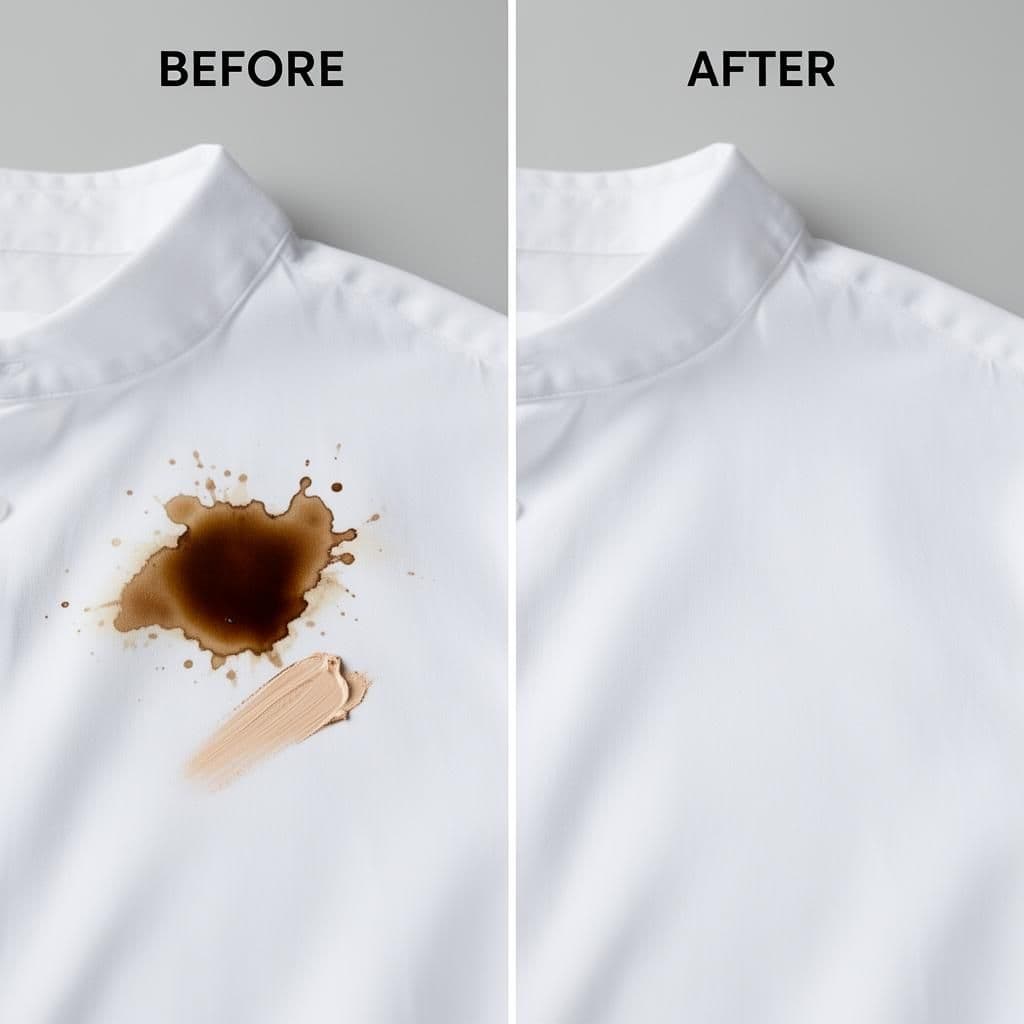
How to remove stains from shirt collars and cuffs
Grey collar rings, yellow sweat marks and makeup on collars: which Luniva bottle to use on white, coloured and work shirts, step by step.
Read the guide
Stains on clothes
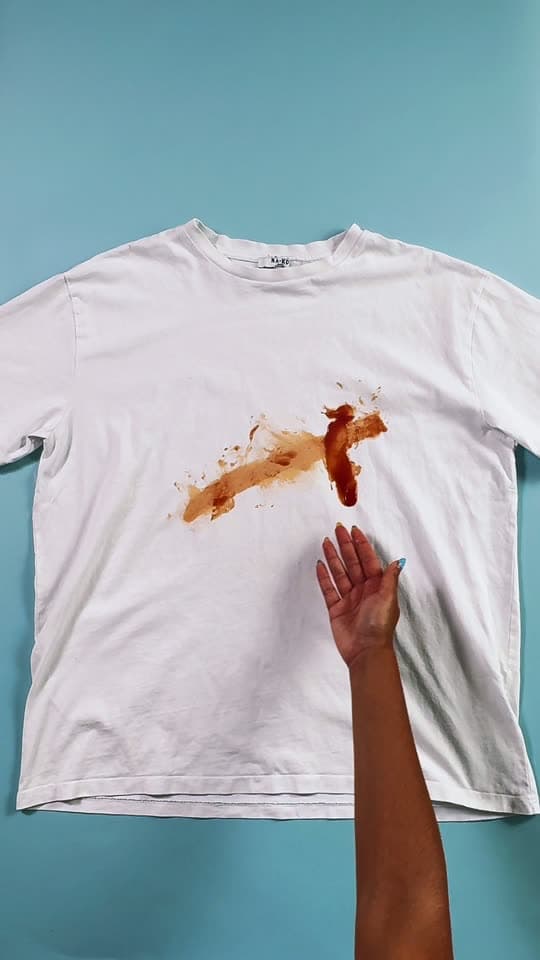
How to remove stains from white clothes
Curry, coffee, sweat and grease on white tops, shirts and polos: treat the stain first, then keep whites bright in the wash. Which Luniva product to use.
Read the guide
Stains on clothes
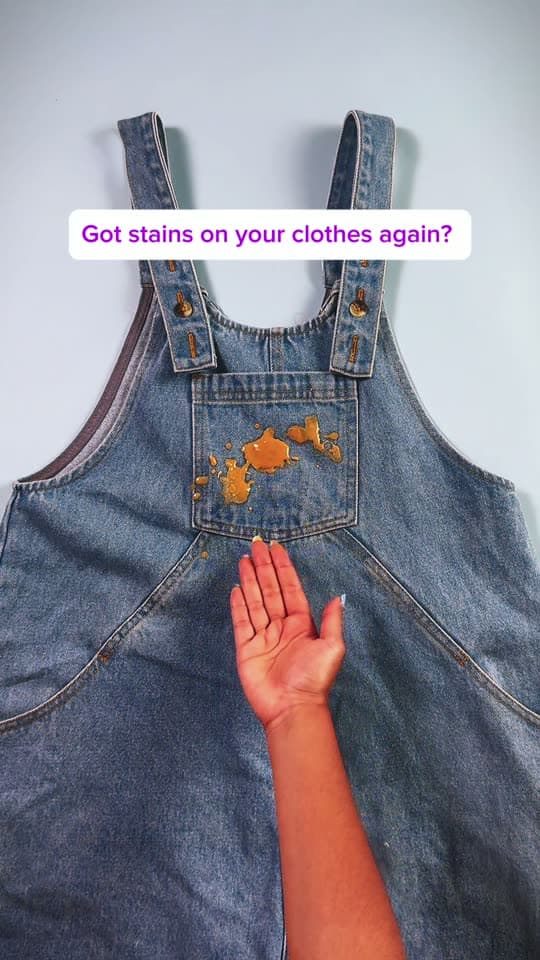
How to remove stains from jeans and denim
Curry, grass, mud and bike oil on jeans and denim jackets: which Luniva bottle to use, how to treat thick denim and how to protect the colour.
Read the guide
Stains on clothes
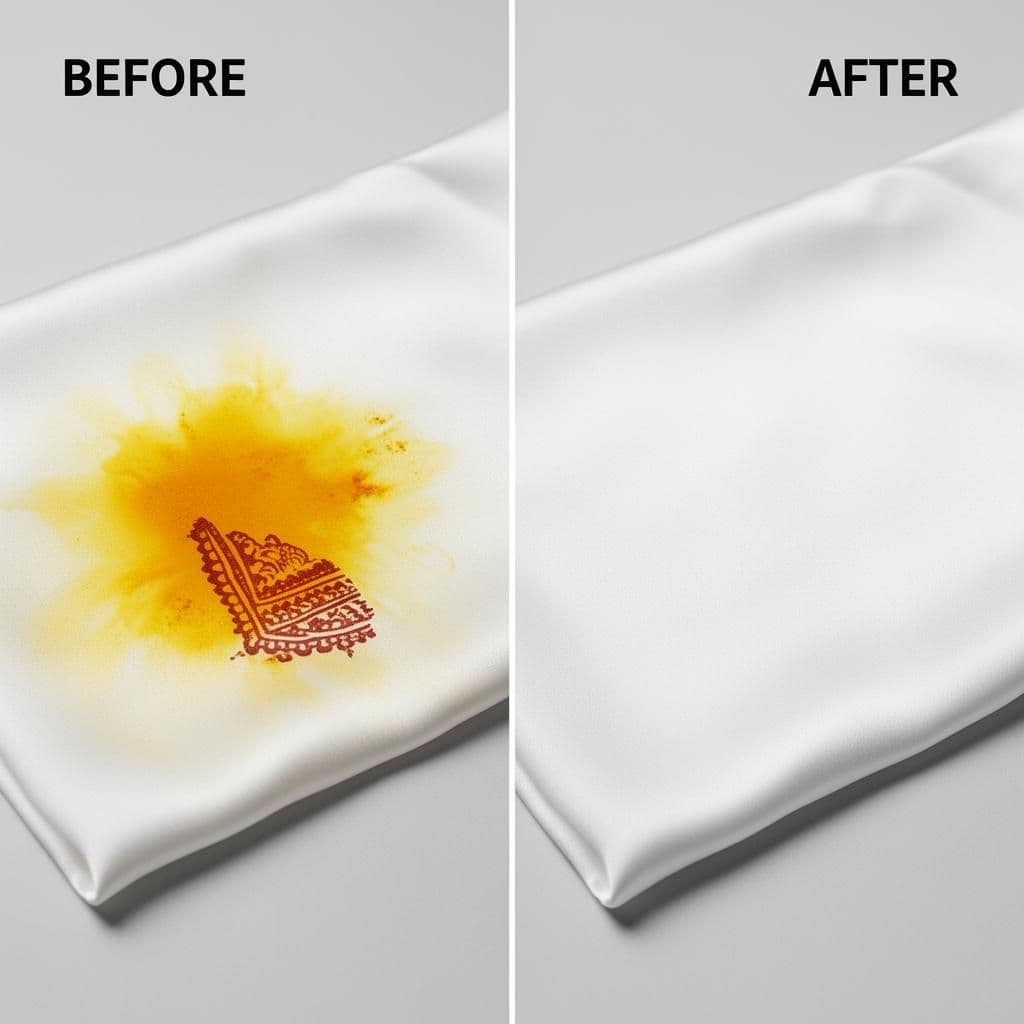
How to remove old and set-in stains
Stains that have been washed and dried, or left for weeks: how to tell what they are, which Luniva bottle to use, and why a second treatment beats a longer one.
Read the guide
Uniforms, workwear & sport
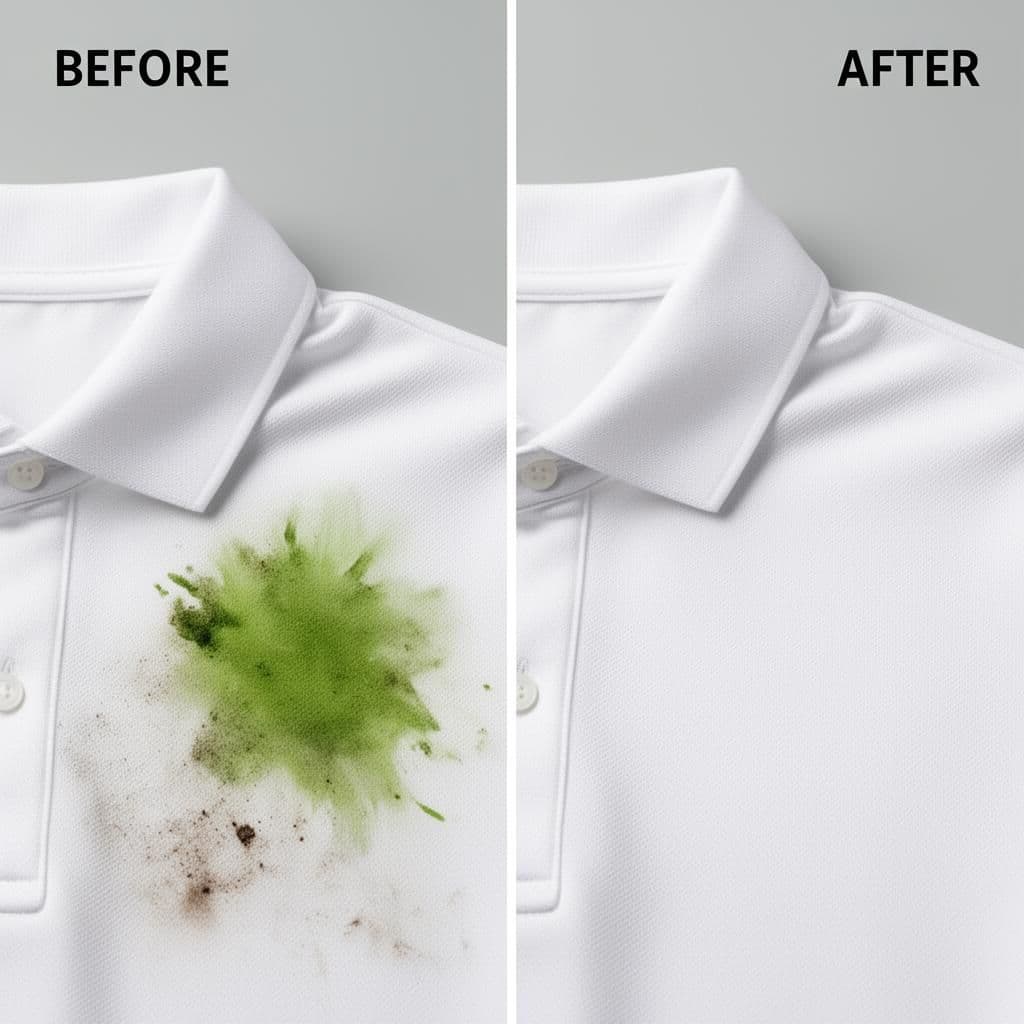
How to remove stains from school uniforms
Grass, mud, ketchup, curry and nosebleeds on school shirts, jumpers and PE kit: a parent's guide to getting uniform clean in one wash.
Read the guide
Uniforms, workwear & sport
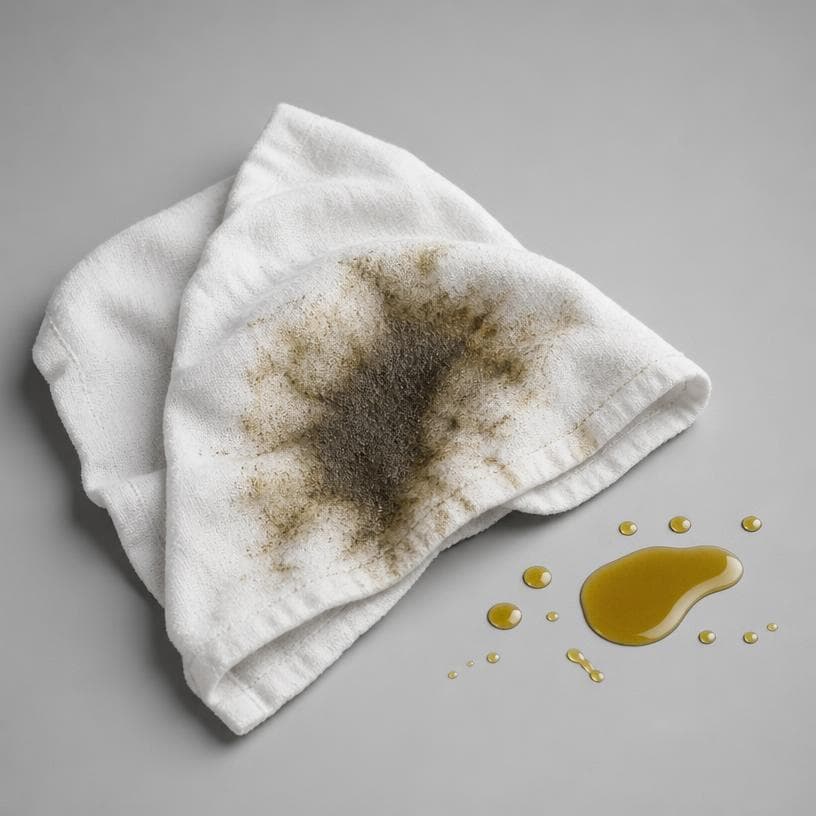
How to remove oil and grease from workwear
Motor oil, diesel, cooking grease and tar on overalls, work trousers and chef whites: how to use Luniva Pro Formula safely on workwear.
Read the guide
Uniforms, workwear & sport
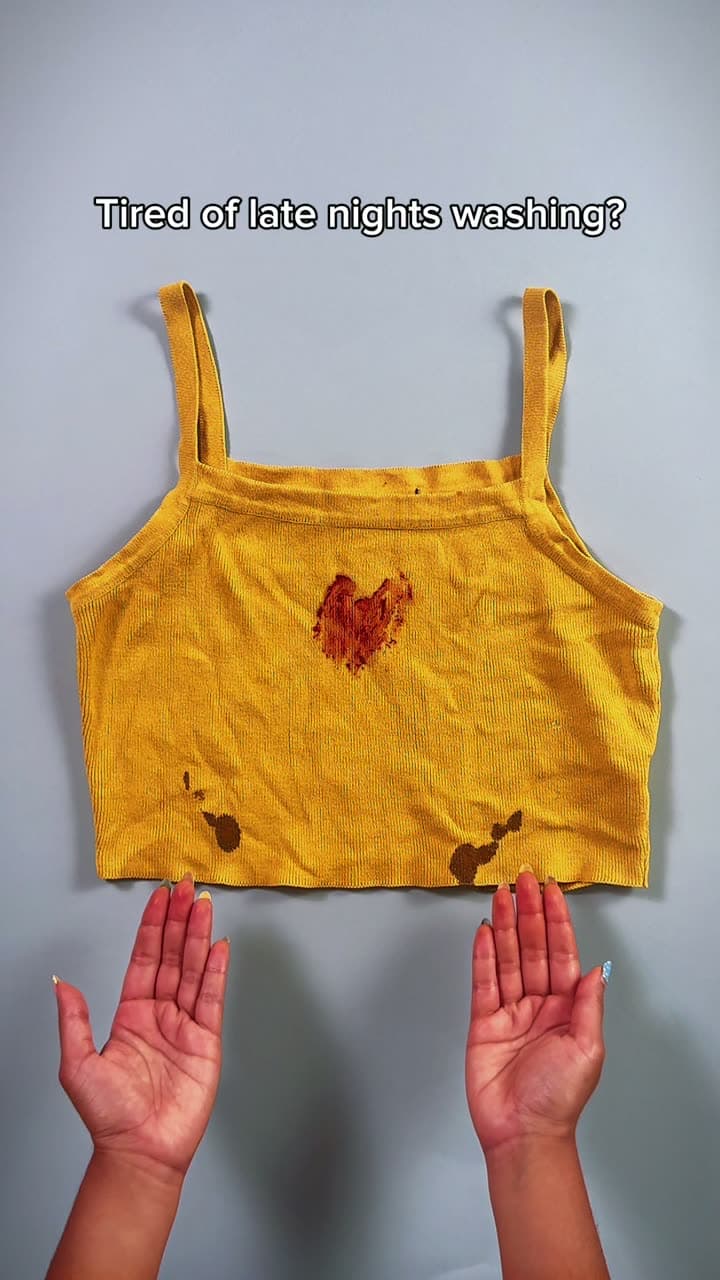
How to remove stains from football kits and gym clothes
Grass, mud, blood and sweat on football shirts, rugby kit and gym wear: which Luniva bottle to use and how to wash sportswear.
Read the guide
Home & family
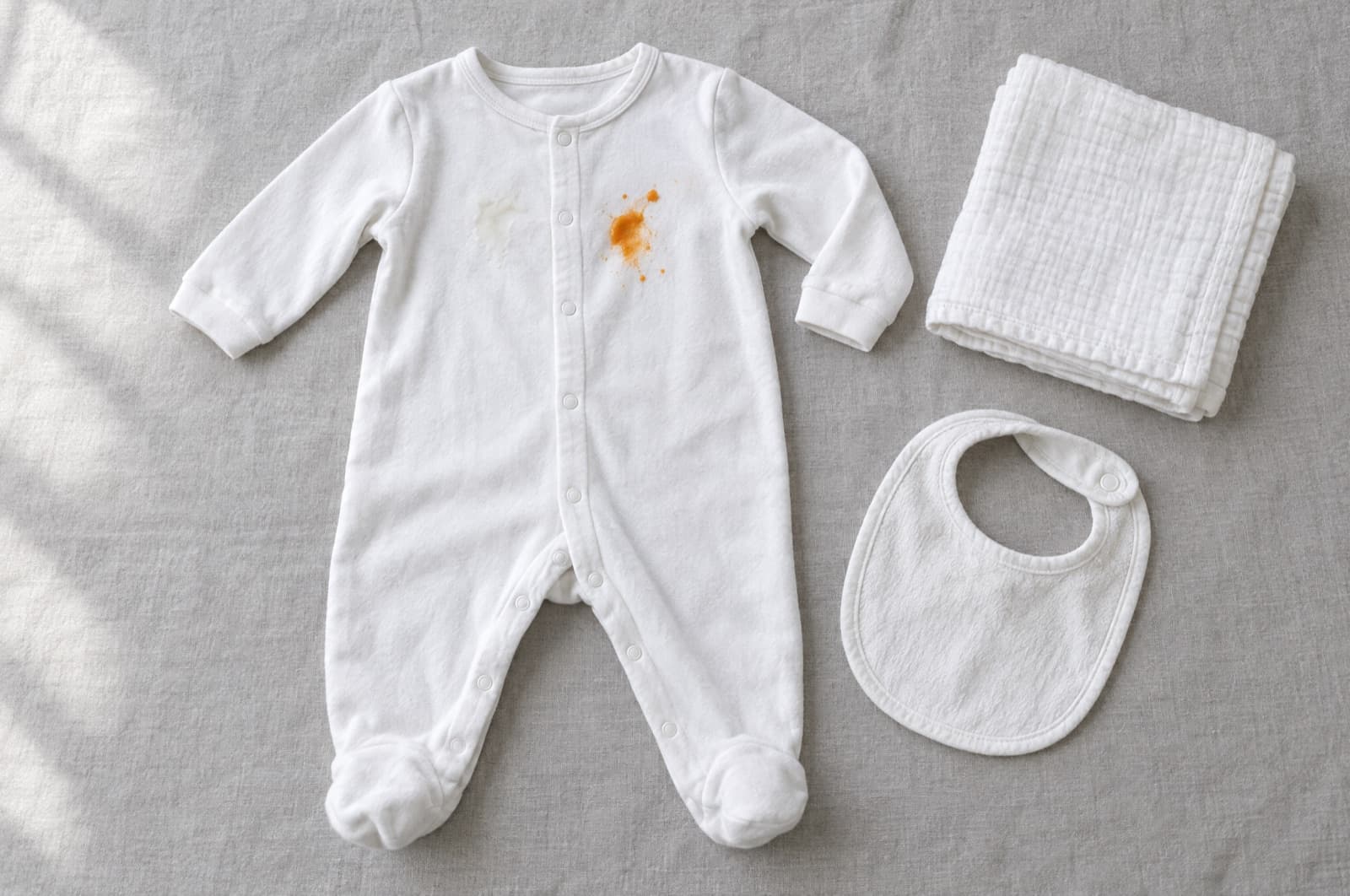
How to remove stains from baby clothes
Milk, formula, baby food and sick on babygrows, bibs and cot sheets: how to use Luniva Enzyme Powered on baby clothes and bedding.
Read the guide
Home & family
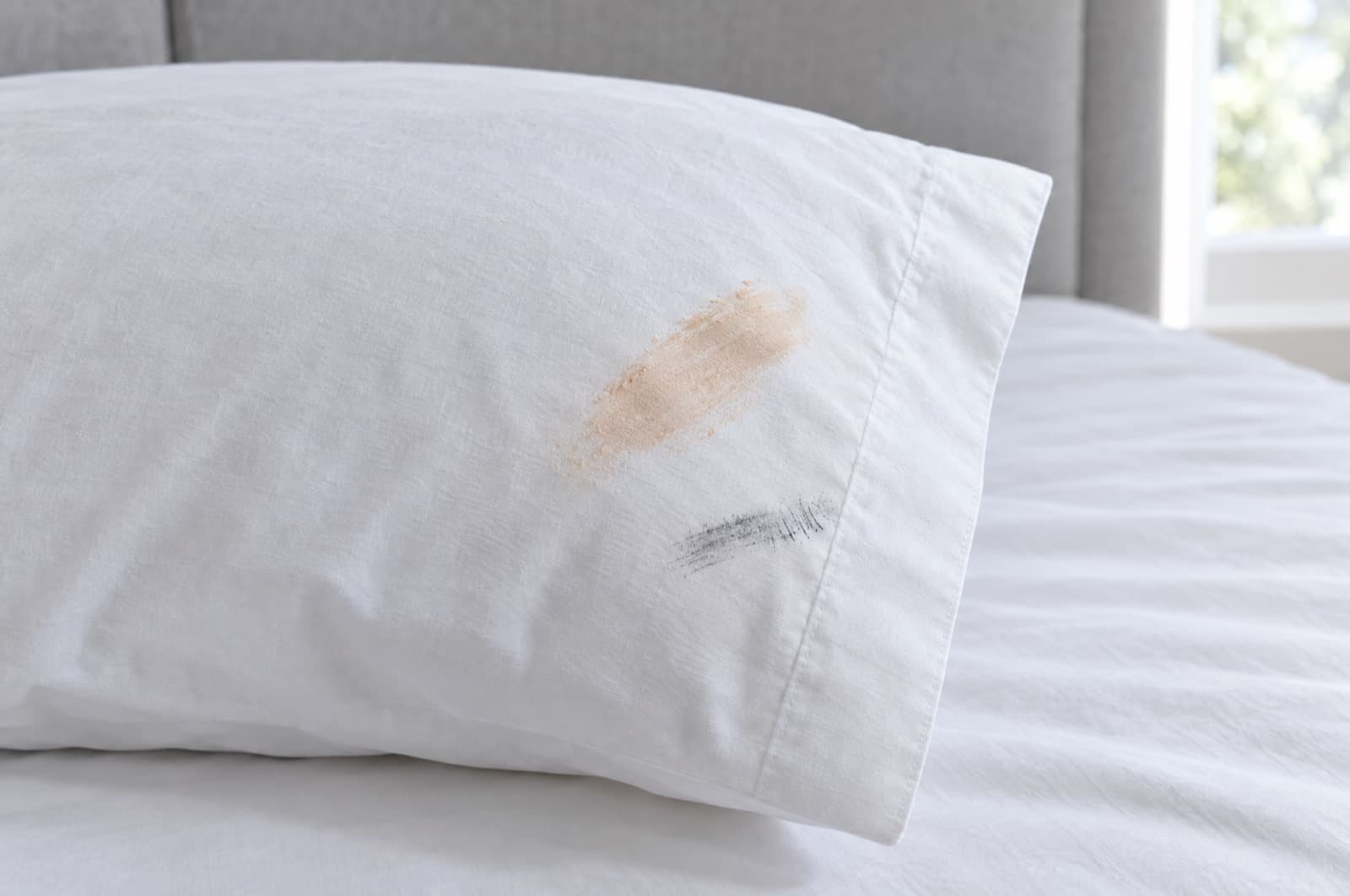
How to remove stains from bedding, pillowcases and towels
Makeup and face oils on pillowcases, blood and sweat on sheets, and marks on towels: which Luniva bottle to use on washable bedding.
Read the guide
Laundry know-how
How to pre-treat stains before washing
The right way to pre-treat a stain: act fast, blot don't rub, match the stain to the spray, wait 1–3 minutes, then wash. Plus the mistakes that set stains.
Read the guide
Laundry know-how
Why stains come back after washing (and how to stop it)
A stain vanishes in the wash, then reappears when the clothes dry. Why it happens, from oily residue to heat-setting, and how to get it out for good.
Read the guide
Laundry know-how
UK washing symbols explained
What the symbols on your clothes' care labels mean: washing temperatures, hand wash, bleach, tumble drying, ironing and dry cleaning, explained simply.
Read the guide
Laundry know-how
What temperature should you wash clothes at?
30°C, 40°C or 60°C? Which temperature to use for everyday clothes, darks, towels, bedding and stained items, and why hot water can set some stains.
Read the guide
Laundry know-how
How to stop clothes fading in the wash
Keep black, navy and bright colours looking new: wash inside out, wash cooler, don't overload, dry out of the sun, and spot-treat marks instead of rewashing.
Read the guide
Laundry know-how
How to make your clothes last longer
Simple habits that keep clothes going for years: wash less and cooler, follow the care label, deal with stains early, dry gently and store clothes properly.
Read the guide
Food & drink stains
Curry, coffee, wine, sauces and spills.
Use Enzyme Powered
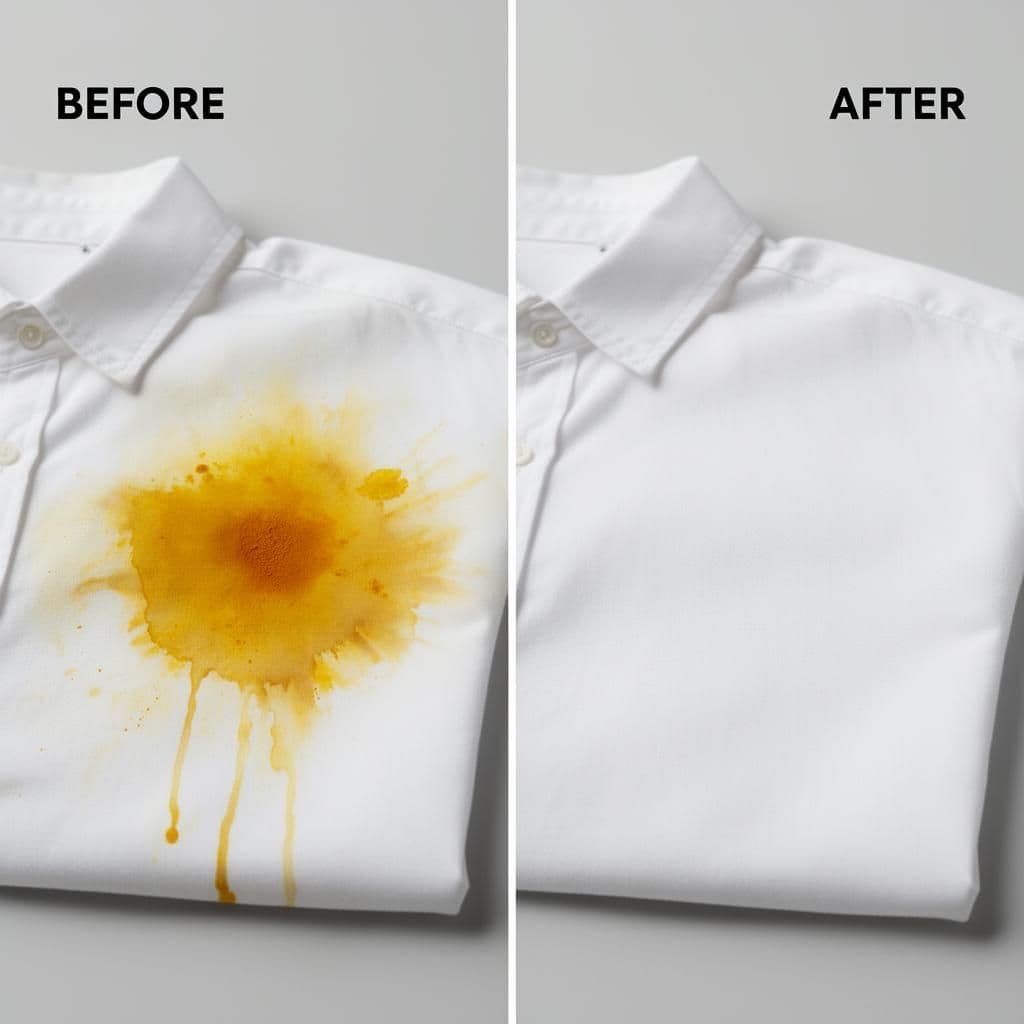
How to remove curry and turmeric stains
Turmeric (curcumin) is a fat-soluble pigment that bonds to natural fibres like cotton and linen.
Read the guide
Use Enzyme Powered
How to remove coffee and tea stains
Tannins bond to cellulose fibres in cotton and linen.
Read the guide
Use Enzyme Powered
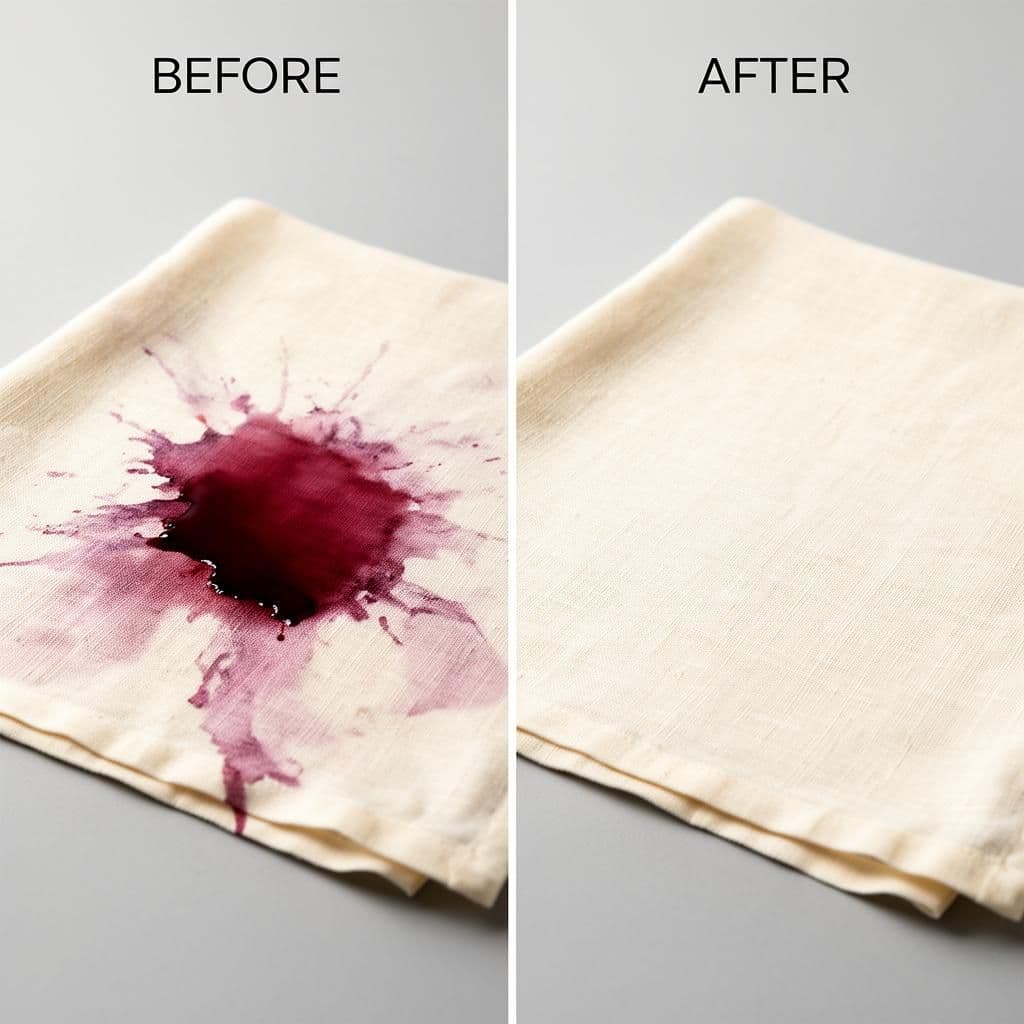
How to remove red wine and fruit juice stains
Anthocyanin (the red pigment in wine) is a polyphenol that chemically bonds with cellulose fibres.
Read the guide
Use Enzyme Powered
How to remove chocolate stains
Cocoa butter melts into fabric fibres on contact and traps the cocoa pigment inside.
Read the guide
Use Enzyme Powered
How to remove tomato sauce and ketchup stains
Lycopene is a fat-soluble red pigment that bonds to cotton fibres on contact, and the olive oil base carries it deeper into the weave.
Read the guide
Use Enzyme Powered
How to remove gravy stains
Gravy contains animal fat (lipid), meat protein and flour starch.
Read the guide
Use Enzyme Powered
How to remove egg and dairy stains
Heat is the enemy of protein stains.
Read the guide
Use Enzyme Powered
How to remove baby food and milk stains
Baby stains are unique for three reasons.
Read the guide
Use Enzyme Powered
How to remove mustard stains
Turmeric's yellow pigment clings to fabric fibres, and mustard adds oil and vinegar that help carry it in.
Read the guide
Use Enzyme Powered
How to remove soy sauce stains
Soy sauce is a concentrated, dark liquid made from fermented soya beans and wheat, so it soaks quickly into fabric and leaves a brown mark as it…
Read the guide
Use Enzyme Powered
How to remove cola and fizzy drink stains
Most fizzy drinks are full of sugar and colouring.
Read the guide
Use Enzyme Powered
How to remove beer and cider stains
Beer is made from malted grain and contains sugars and colour from the malt; cider contains fruit sugars.
Read the guide
Body stains
Blood, sweat, makeup and everything skin leaves behind.
Use Enzyme Powered
How to remove blood stains
Blood is protein-based.
Read the guide
Use Enzyme Powered
How to remove sweat stains
Eccrine sweat is mostly water and salt – it doesn't stain on its own.
Read the guide
Use Pro Formula
How to remove collar, cuff and body-oil stains
Your neck and wrists are in constant contact with the fabric, so body oils are deposited every time you wear it.
Read the guide
Use Pro Formula
How to remove deodorant marks
The white streak is a waxy residue sitting on the surface of the fibre, and repeated wear builds it into a greasy layer that plain detergent…
Read the guide
Use Pro Formula
How to remove makeup and foundation stains
Foundation contains silicones and oils, lipstick contains waxes and pigment, mascara contains polymers.
Read the guide
Use Pro Formula
How to remove suncream and lotion stains
SPF products combine oil-soluble UV filters with silicones and waxes designed to cling to skin and resist water.
Read the guide
Use Enzyme Powered
How to remove vomit and pet accident stains
Vomit and pet accidents are organic, protein-based messes.
Read the guide
Outdoor, oil & grease stains
Grass, mud, cooking oil, motor oil, bike chain oil and tar.
Use Enzyme Powered
How to remove grass stains
Chlorophyll is bonded to cotton fibres by plant proteins and sugars released when grass is crushed.
Read the guide
Use Enzyme Powered
How to remove mud and dirt stains
Wet mud is suspended particles that flow into every gap in the weave.
Read the guide
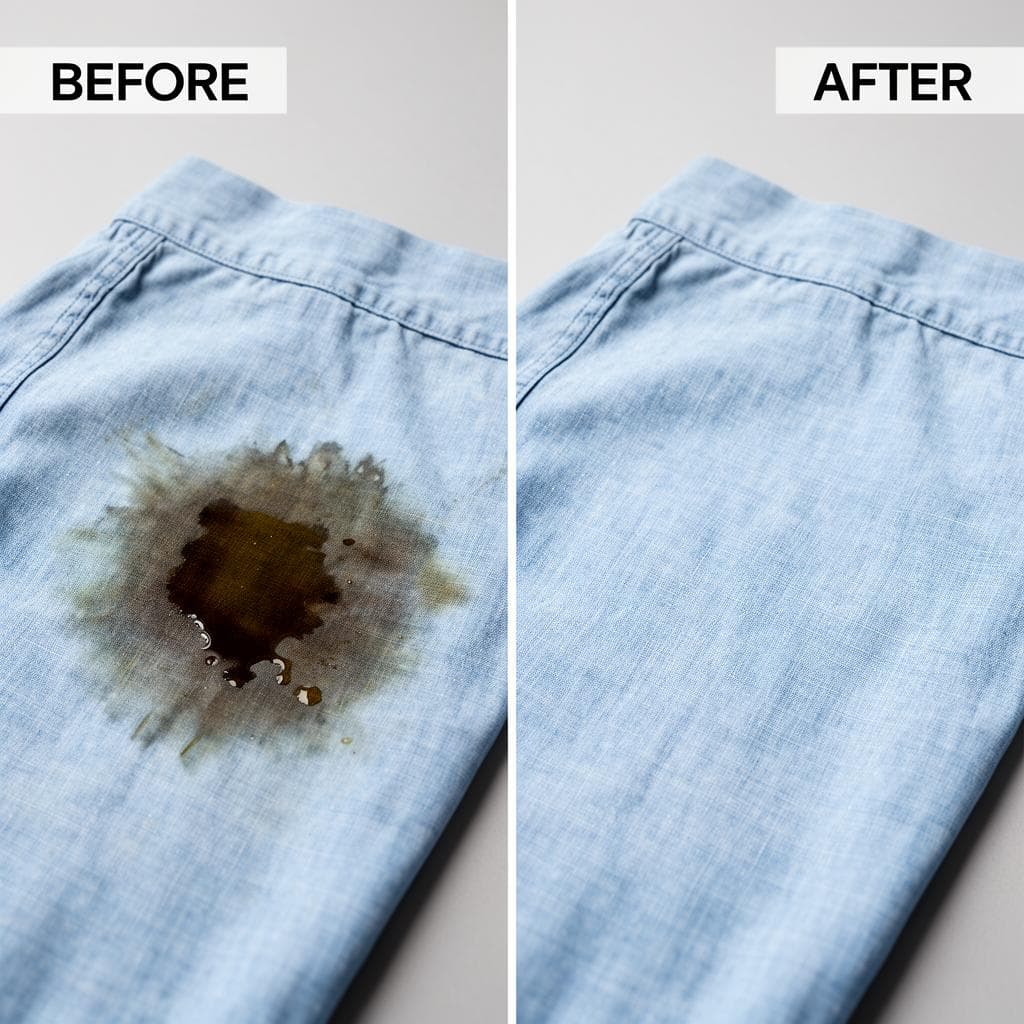
Use Pro Formula
How to remove grease and cooking oil stains
Oil is hydrophobic: it repels water.
Read the guide
Use Pro Formula
How to remove motor oil and diesel stains
Motor oil is engineered to resist heat, water and friction – the exact qualities of a normal wash.
Read the guide
Use Pro Formula
How to remove bike chain oil from clothes
Bike chain lube is designed to cling to metal, and as the chain runs it picks up road dirt and tiny metal particles, which is what makes the mark…
Read the guide
Use Pro Formula
How to remove tar stains
Tar and bitumen are heavy-petroleum residues designed to bond to almost anything they touch.
Read the guide